
Tax Transition Analysis for Financial Advisors
Model how a prospect portfolio moves to a target allocation — with cost basis, capital gains impact, and a transition path that carries into the proposal and implementation.

Trusted by advisory firms across North America
















Portfolio Transitions Are Hard to Model in a Spreadsheet
Moving a prospect from their current holdings to a target allocation means extracting cost basis, calculating gains, and modeling the transition path — all before the proposal goes out
Pulling lot-level cost basis from statements, matching purchase dates, and separating short-term from long-term gains takes time and precision that spreadsheets make harder than it should be.
Immediate transition, phased over two years, harvest losses first — each path has different tax consequences. Modeling them side-by-side in a spreadsheet means rebuilding the analysis from scratch each time.
Clients with IRAs, trust accounts, and taxable brokerage accounts need coordinated transition plans. Optimizing which lots to move from which accounts means tracking cost basis across all of them at once.
How Tax Transition Analysis Works
Extract cost basis, model the transition path, include it in the proposal, and use the same plan to implement
Automated Cost Basis Extraction
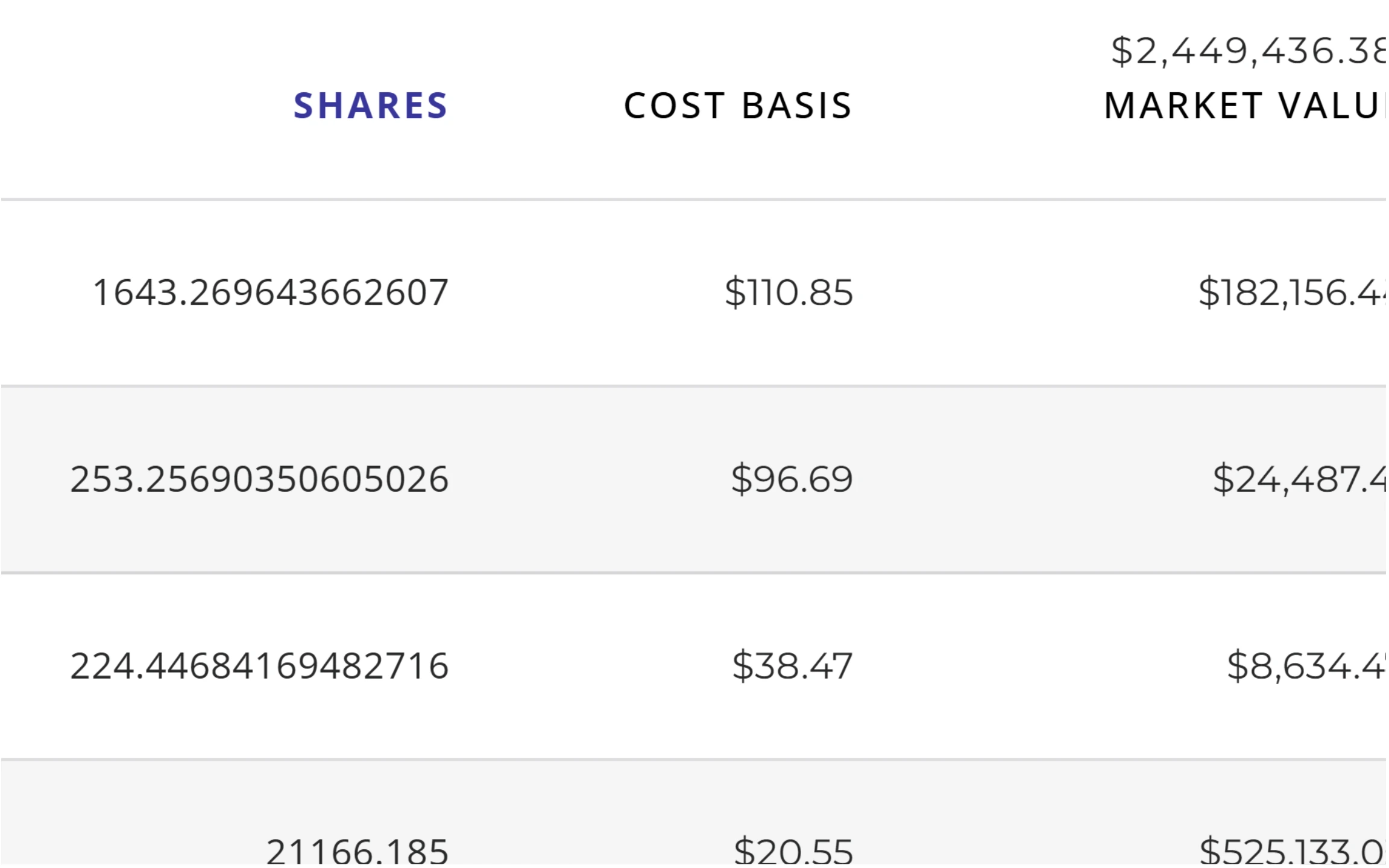
Upload any brokerage statement. AI extracts cost basis, purchase dates, and lot-level detail automatically. No manual data entry—complete analysis in minutes.
Model Around a Tax Budget
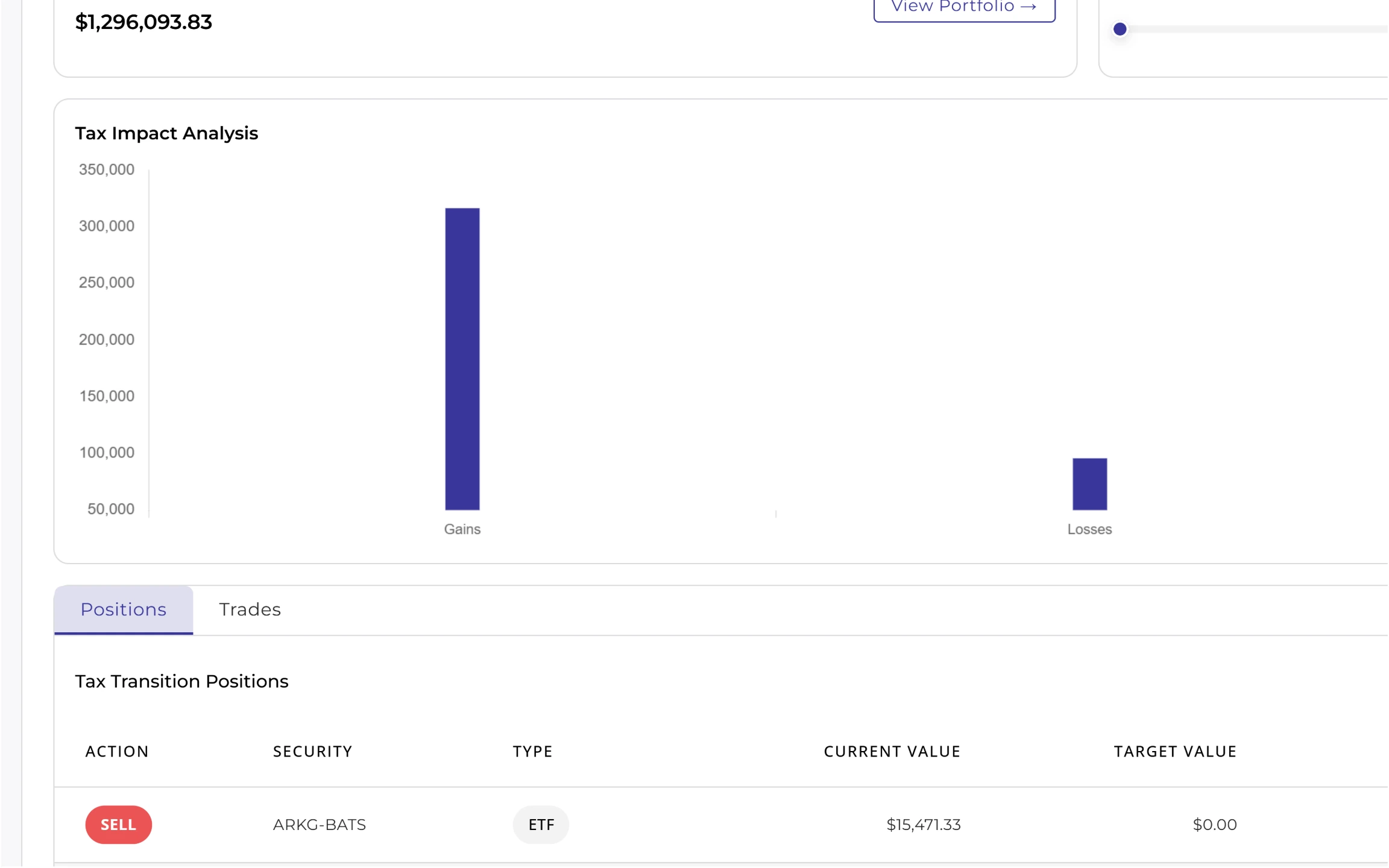
Set an annual capital gains budget and model transitions that stay within it. Compare immediate vs. phased strategies side-by-side. Federal and state taxes calculated automatically based on client brackets.
Include the Transition Plan in the Proposal
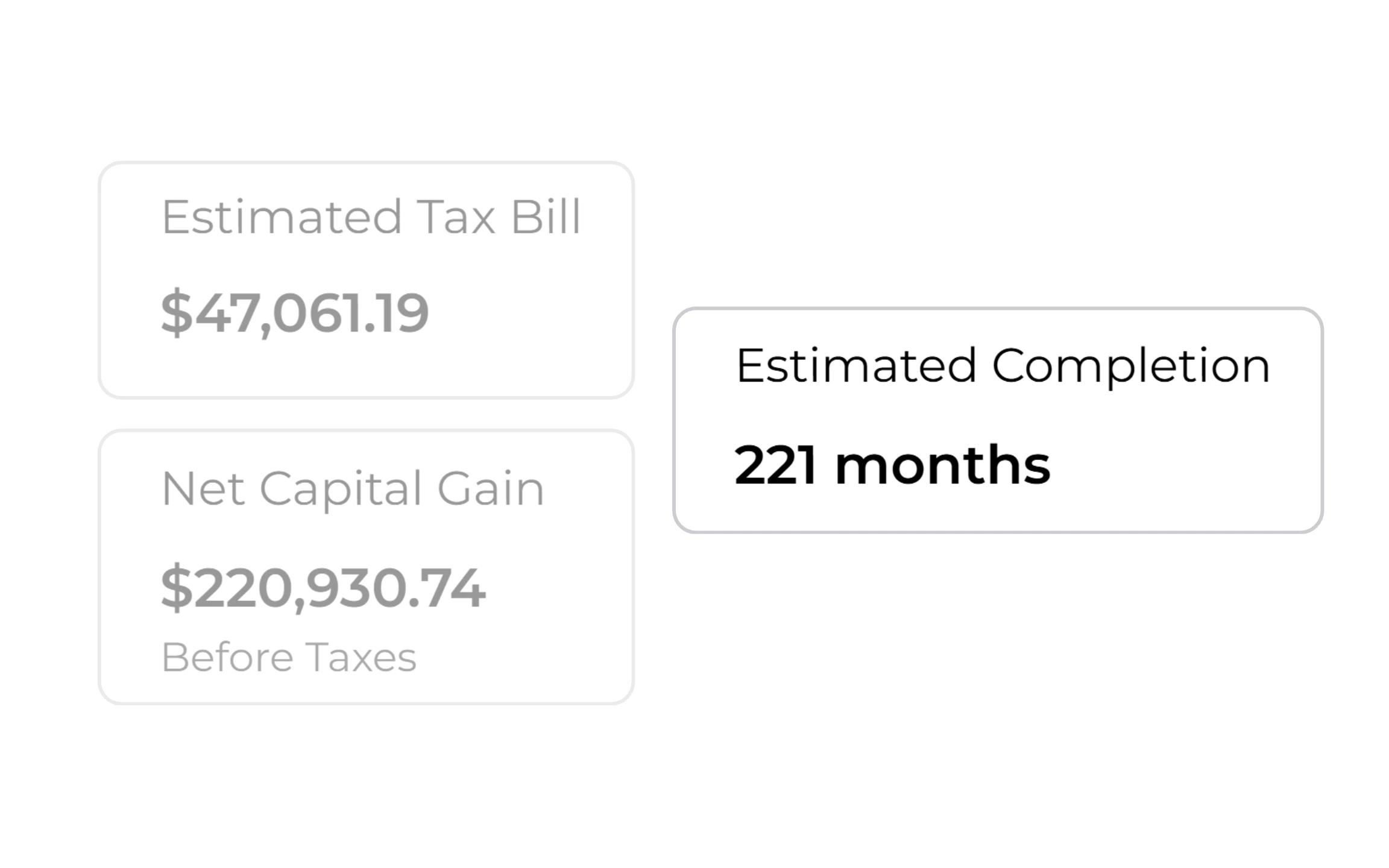
Add the transition path directly to the investment proposal — current vs. target allocation, capital gains impact, and the year-by-year roadmap. The prospect sees exactly how the portfolio gets from here to there.
Use the Same Plan to Implement
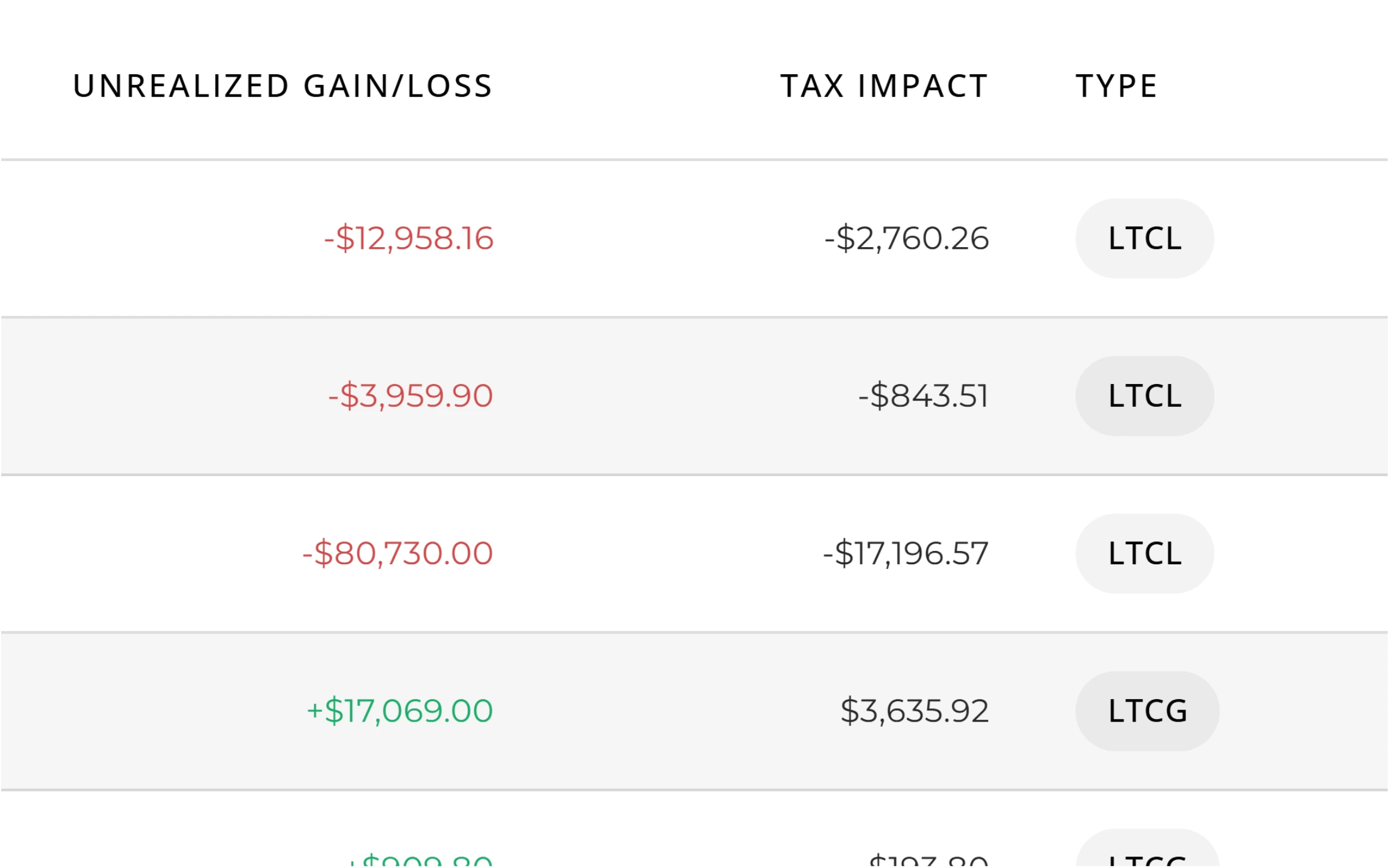
Once the client approves, the transition plan becomes the implementation guide. Track which positions to move, when to move them, and how the capital gains budget is tracking — without rebuilding the analysis.
Trusted by financial advisors
See how practices are transforming their workflows
"We're deeply committed to integrating cutting-edge technology to transform the financial planning landscape. Investipal's innovative approach aligns perfectly with our vision, particularly in utilizing OCR technology to streamline processes and elevate the client and advisor experience."
— ProsperPlan Wealth
"Investipal has completely transformed how we approach client onboarding and portfolio management. The AI-powered tools save us countless hours while delivering better outcomes for our clients."
— Pacific Portfolio Advisors
"Investipal has been a game-changer for our firm. It really had become an efficiency multiplier for our assistants and back office. It's an indispensable tool for any advisory firm looking to thrive in today's competitive market."
— William Joseph Capital Management
Frequently asked questions
Common questions answered
See Tax Transition Analysis in Action
Book a demo to walk through cost basis extraction, transition modeling, proposal integration, and implementation tracking.